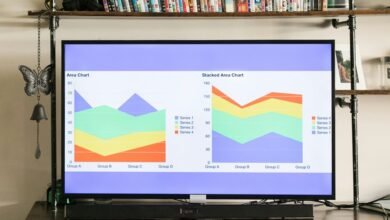
The analysis of mobile call distribution patterns, specifically the code 333462004, reveals significant trends in user behavior and communication preferences. By examining call volume fluctuations, geographic disparities, and demographic influences, a clearer picture emerges of how different factors shape mobile communication. Understanding these elements is crucial for service providers aiming to tailor their strategies effectively. However, the implications of these findings extend beyond mere statistics, prompting further exploration into the evolving landscape of mobile connectivity.
Analyzing Call Volume Trends
Analyzing call volume trends reveals significant insights into user behavior and network performance.
By examining call time data across various peak hours, analysts can identify patterns that inform service improvements and resource allocation.
This analysis highlights user preferences and peak engagement periods, enabling providers to optimize their networks and enhance user experiences while ensuring freedom of communication amidst varying demands.
Geographic Distribution of Calls
Understanding the geographic distribution of calls is crucial for telecommunications providers aiming to enhance service delivery and optimize network infrastructure.
Urban hotspots typically exhibit higher call volumes, reflecting concentrated demand. Conversely, rural challenges arise due to lower population density and limited connectivity, impacting service quality.
Analyzing these patterns enables providers to allocate resources effectively and address disparities between urban and rural communication needs.
Demographic Insights Into Call Patterns
Although various factors influence call patterns, demographic variables such as age, income, and education level emerge as significant contributors.
Age demographics reveal distinct trends in call frequency and duration, while gender differences further delineate communication preferences.
Younger individuals may favor text-based interactions, whereas older populations often engage more through voice calls, reflecting broader societal shifts in communication modalities across diverse demographic segments.
Implications for Service Providers and Consumers
As mobile call distribution patterns continue to evolve, service providers and consumers must adapt to the shifting landscape of communication preferences.
Enhanced service quality becomes essential for providers to meet the diverse needs of users, thereby fostering customer satisfaction.
Conclusion
In summary, the systematic study of 333462004’s mobile call distribution patterns reveals significant surges in call volume, showcasing spatial disparities and demographic distinctions. Understanding these varied vocations enables service providers to strategically streamline their services, ensuring satisfaction and sustainability. By embracing these enlightening insights, businesses can better balance their offerings, cater to consumer cravings, and ultimately cultivate a more connected community, bridging the gaps between urban and rural dialogues while addressing diverse demographic demands effectively.